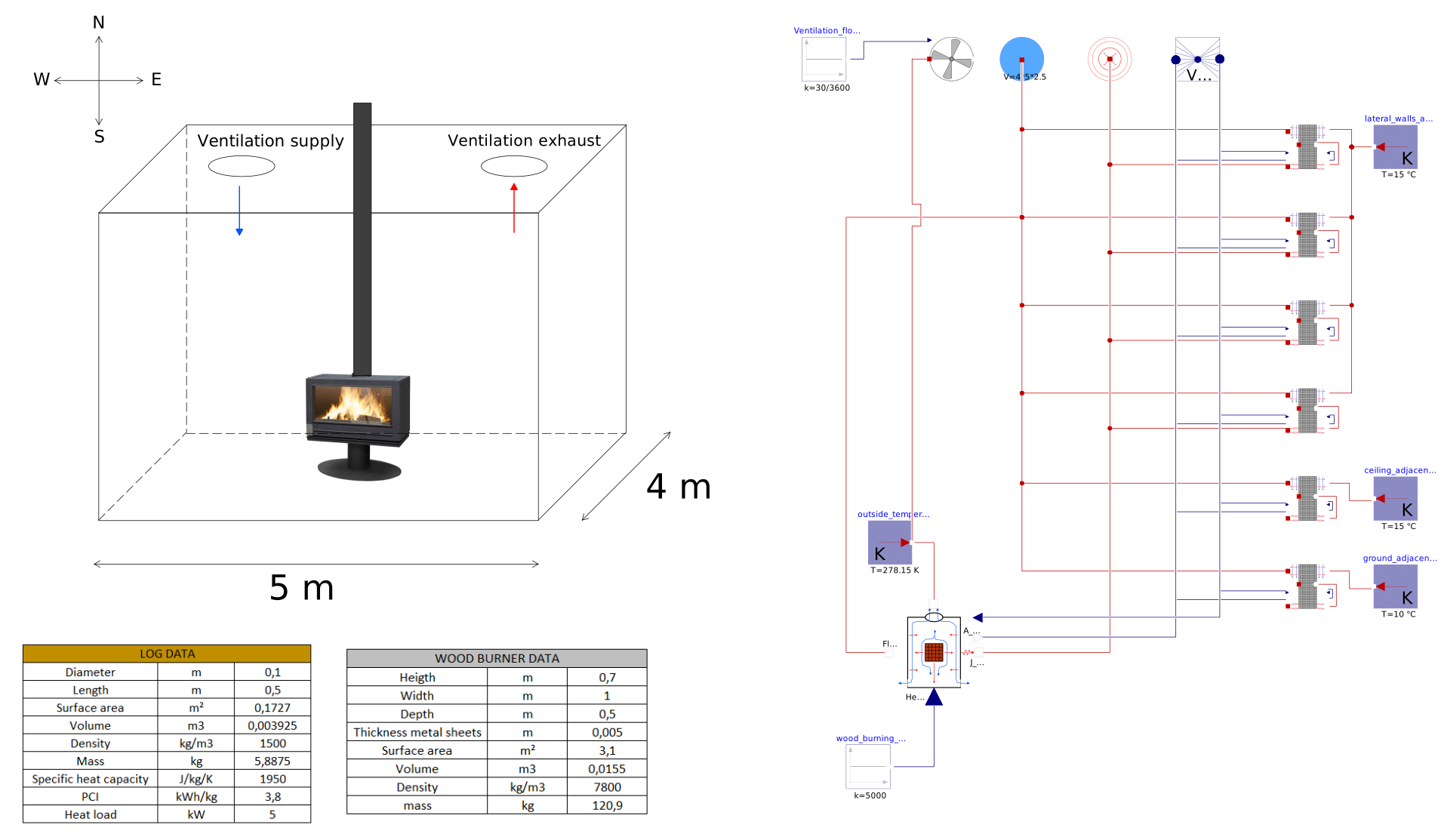
Thermal Analysis
Our thermal models have helped avoid major design changes on nuclear installations.
Quantified physical analysis of the phenomena has highlighted the thermal inertia inherent in the structures and equipment within the facilities.
Combined with purpose-built tools, we were able to identify interactions between ventilation systems and control systems, adjust the control logic, and use our tools to demonstrate that the design meets safety requirements.
Sectors: nuclear, datacenter, industrial
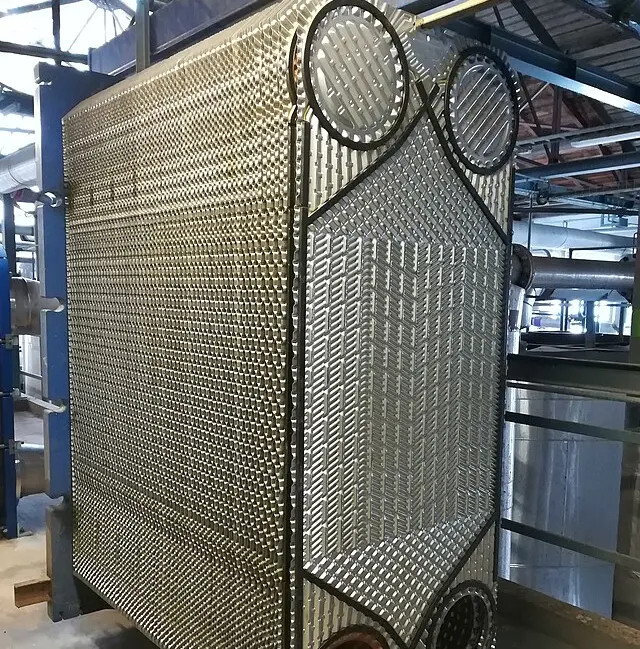
Heat Exchangers
Sized your heat exchangers on paper—but struggling to prove performance in the field?
We have developed and validated a method for heat exchanger performance mapping so we can assess performance under any ambient conditions.
The approach accounts for all uncertainties associated with the many measurement points.
This method has identified installation defects—for example, a missing gasket in a water box—even when the plant appeared to be operating correctly because mild ambient temperatures masked the issue.
Sectors: nuclear, industrial
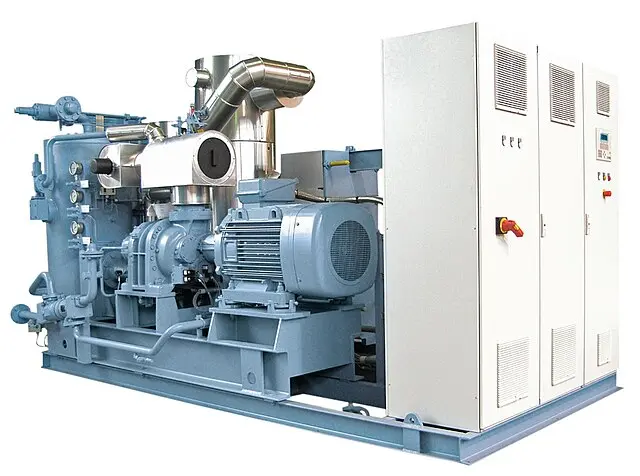
Cooling Systems
We support the end-to-end design of cooling systems—from safety requirements and specification through sizing to testing.
We also model installations to verify chiller performance following refrigerant transitions driven by regulatory requirements.
Sectors: nuclear, datacenter, industrial
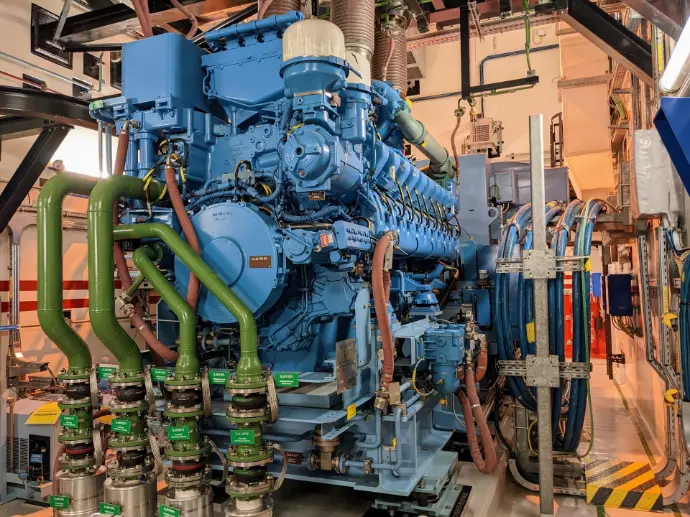
Emergency Diesel Generators
Installation availability and safety require a backup power source that can take over the load quickly.
Emergency diesel generators are critical design components: they must start and run at any time, regardless of ambient conditions. Whether the constraints are mechanical, thermal, or hydraulic, we have the tools to verify the sizing of your generator sets—or to support your selection.
Sectors: nuclear, datacenter, industrial
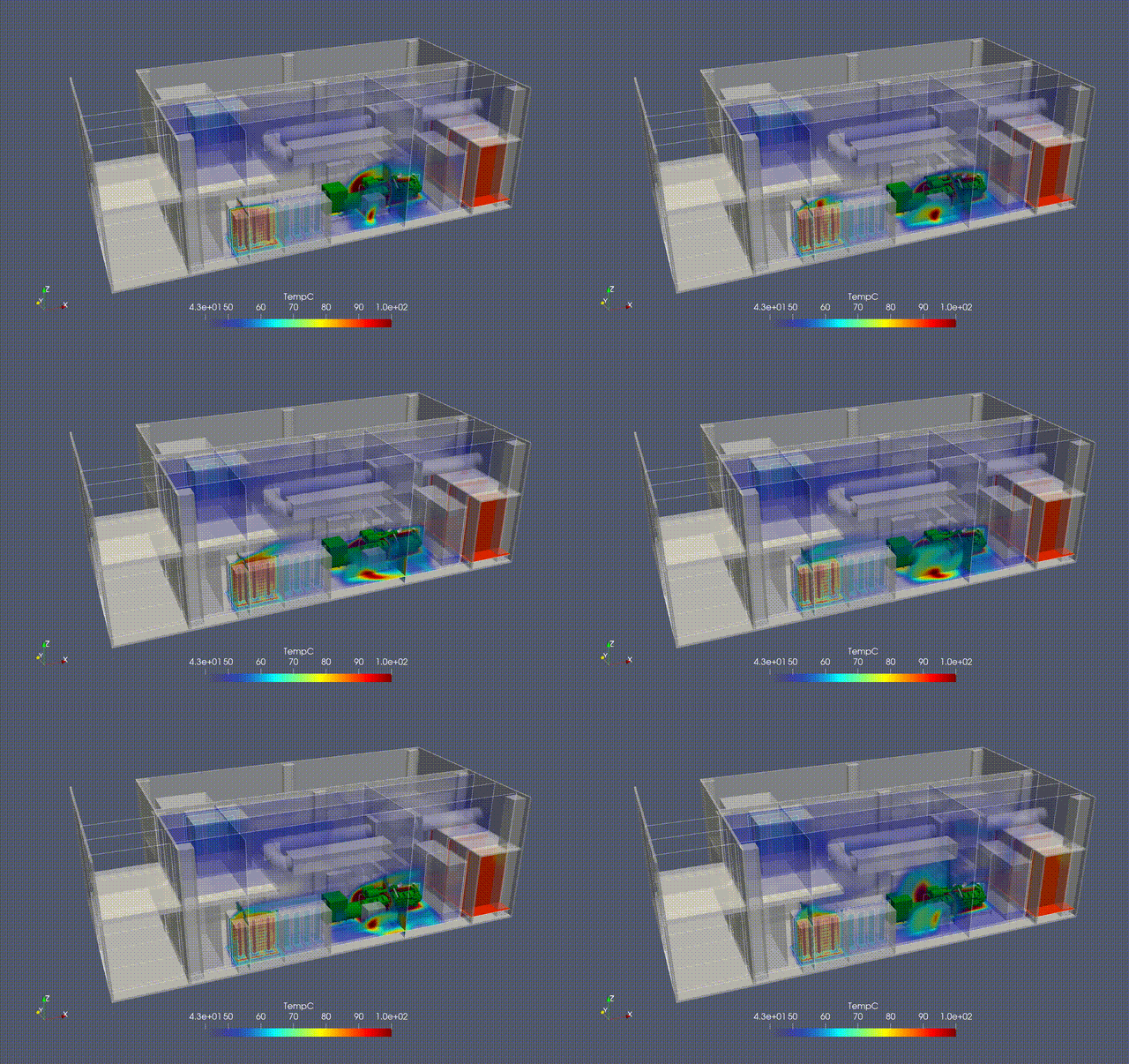
Airflow Studies
In some cases, a 0D (lumped-parameter) approach is not enough to address the problem. This applies to strongly 3D situations involving heterogeneity and mixing—a more refined approach is required.
Our models are built with code_saturne, developed by EDF R&D. This lets us script our models and geometries and stay responsive when the design changes.
Sectors: nuclear, datacenter, industrial
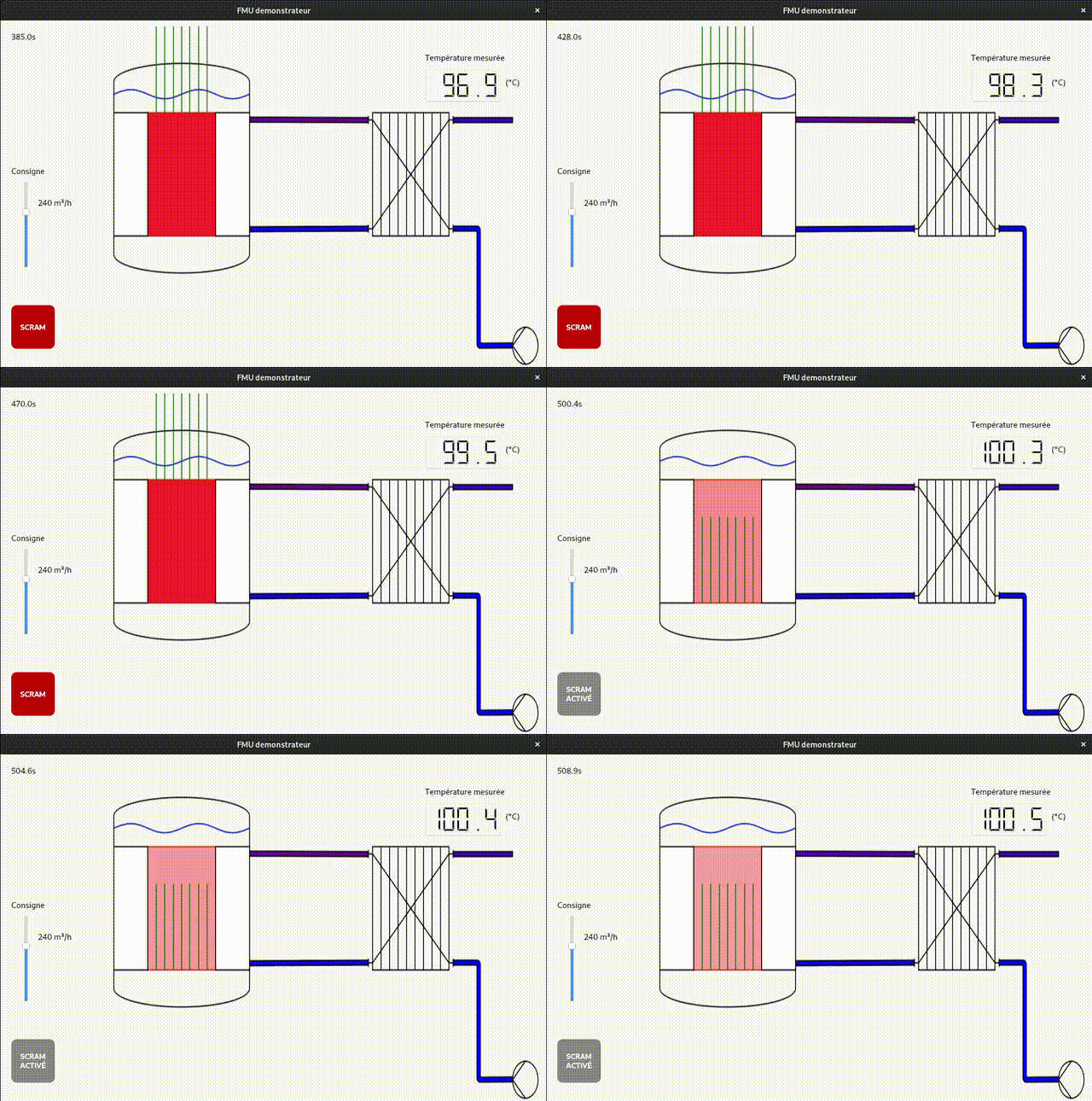
Multi-Physics Coupling
Some systems are inherently complex and require an approach that couples different physical phenomena to be analysed properly.
Examples include a primary circuit with neutronic–thermal coupling, or natural convection loops. This approach can also be applied to thermal fatigue, or to coupling control systems with system dynamics.
In addition, our 0D and 3D tools are interfaced, so 0D model results can be used as inputs to 3D models.
Sectors: nuclear, datacenter