
— SIL3X —
Specialist study office in thermal, fluid mechanics and multiphysical modelling of energy systems
Nuclear · Datacentres · Complex energy systems
We model physical phenomena and their interactions to size, optimise your systems and justify your technical choices.
Our areas of activity
Nuclear
Design and sizing of thermal and fluid systems for nuclear facilities (existing fleet, new nuclear plants, SMRs, storage, etc.)
See our activities for nuclear
Datacentres
Energy optimisation, thermal transients, impact of the external environment on performance, atmospheric CFD studies.
See our activities for datacentres
Industry
Design and optimisation of energy systems, HVAC and industrial fluid systems.
See our activities for industry
Are you looking to :
- Get expert guidance in drafting specifications for a complex project
- Design efficient systems while optimising costs
- Demonstrate your system's reliability and availability under extreme conditions
- Identify optimization opportunities for an existing system
- Decentralise your R&D activities
We support you at every stage of your project
R&D
Engineering
Operations & maintenance
Define the physical problem
Support decisions with quantified analysis
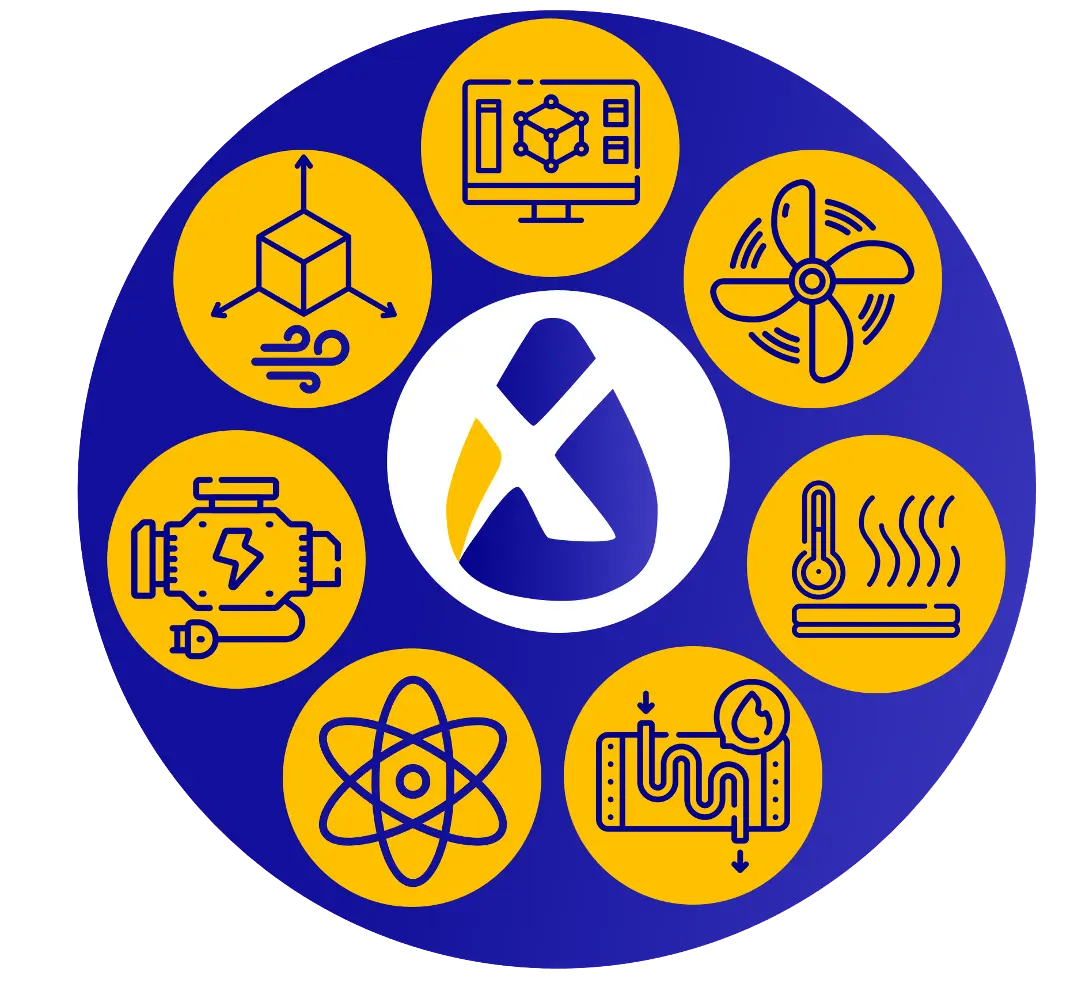
Our areas of expertise
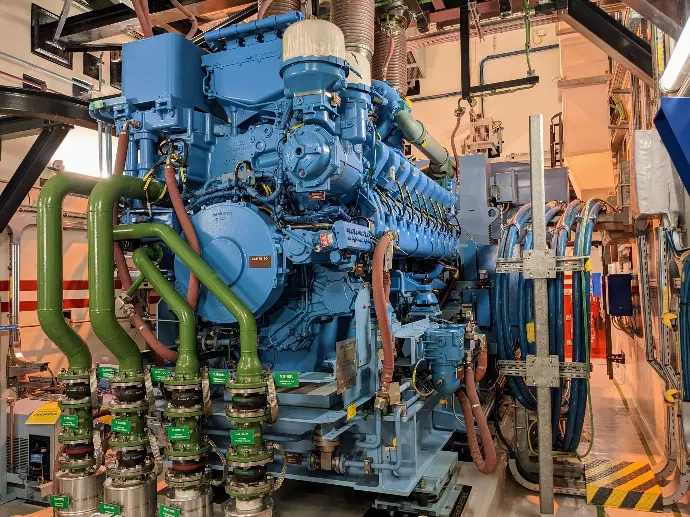
Thermal
Environmental control is a key challenge in high-stakes industries such as nuclear power and data centers. Temperature and humidity levels must be carefully controlled to ensure equipment availability and proper operation.
The ability of cooling and heating systems to respond to internal or external transients has become a major concern in the context of climate change.
The design and sizing of thermal systems have a significant impact on the size of the selected equipment and on the costs incurred by interfacing disciplines (structures, electrical switchboards, space occupancy, etc.).
Example : diesel generator, chiller, heat network, cold network, mass-energy calculations, ventilation network, HVAC sizing
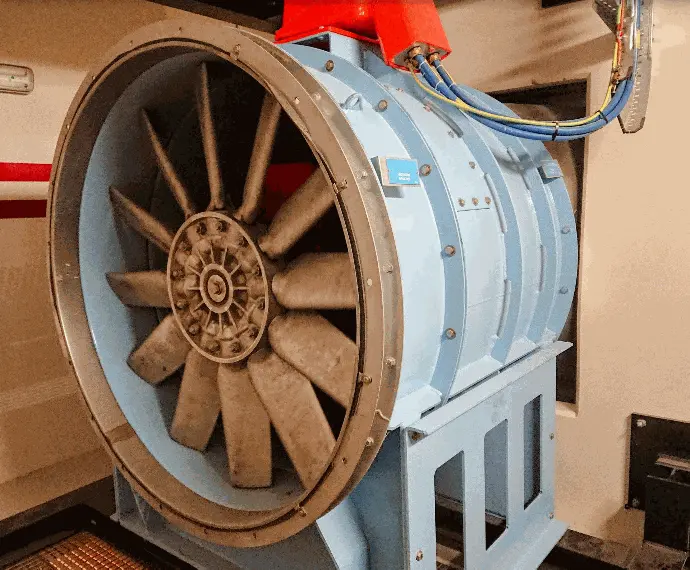
Fluid Mechanics
The performance of heating or cooling networks is often limited by the selection of equipment based on an oversized design approach with excessive safety margins. A more accurate estimation of pressure losses, including the consideration of fouling over time, helps avoid unnecessary CAPEX and OPEX costs.
When 0D sizing approaches are no longer sufficient, mastering 3D effects becomes necessary. In industrial buildings, the risk of anoxia or aerosol must be controlled. For this, the air conditions of the premises: ventilation flows, dead zones, temperature heterogeneity can be modelled during the sizing phase or measured on-site during operation.
Example : dead-zone detection, mixing analysis, pressure-loss evaluation
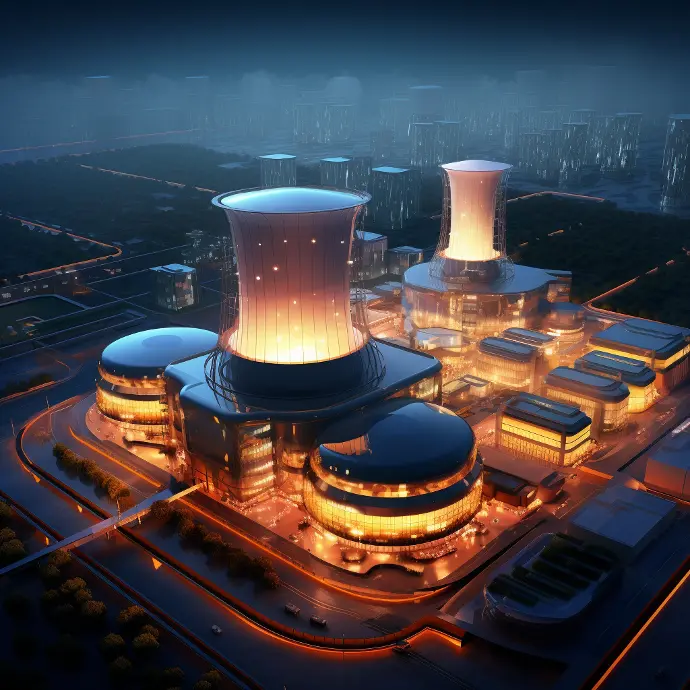
System Approach
When projects become complex with many interfacing systems, the systems approach helps to reduce the complexity of the problem while ensuring that couplings are taken into account.
This approach allows for estimating the energy consumption of the systems, dynamically checking the control choices, optimising the processes to reduce OPEX and lessen your impact.
Example : 3D thermo-aeraulic coupling, control-command, interface between systems
They trust us






We are proud to contribute



Our expertise at a glance
Let's build a more efficient world
Support your decisions with quantified analysis