Industry – thermal, fluid and mechanical studies
Thermal, fluid, mechanical and process studies to design, justify and optimise industrial installations.
Drawing on its experience in the nuclear sector, SIL3X supports industrialists in the design, sizing, justification and optimisation of thermal, fluid, mechanical and process systems. This nuclear background has allowed us to develop a culture of rigor and mastery of complex projects, in which technical and economic performance must fit within a demanding regulatory, normative and documentary framework. We apply this same approach to industrial installations, integrating safety, security, operational and performance constraints from the design stage. From the modelling of physical phenomena to the justification of design choices, we provide a structured and traceable approach, adapted to the most constrained industrial environments.
Design and sizing
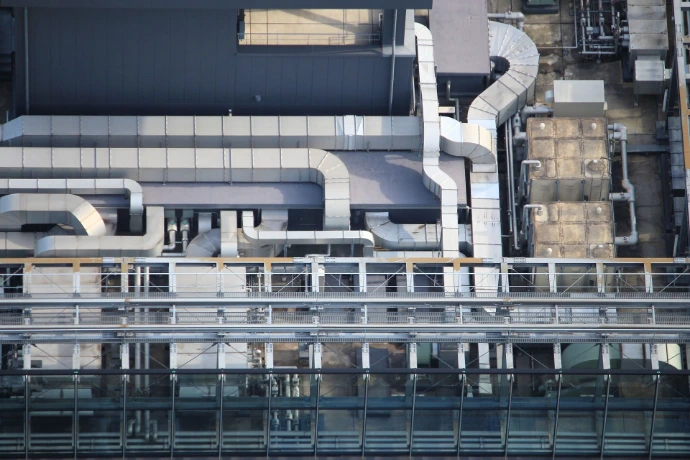
Ventilation and airflow
Sizing of ventilation and cooling systems: flow rates, pressure losses, temperatures, mixing. Including hazardous areas (contaminant, toxic, explosive).
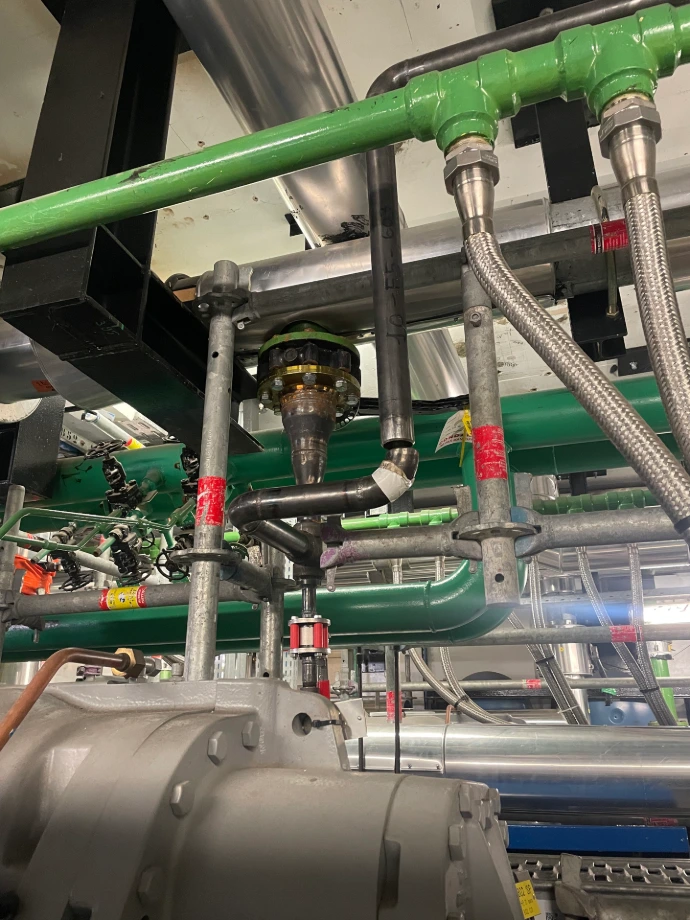
Cooling and chillers
Sizing of circuits and equipment: capacity, margins, sensitivity to ambient conditions and design changes. Fluid retrofitting if necessary.
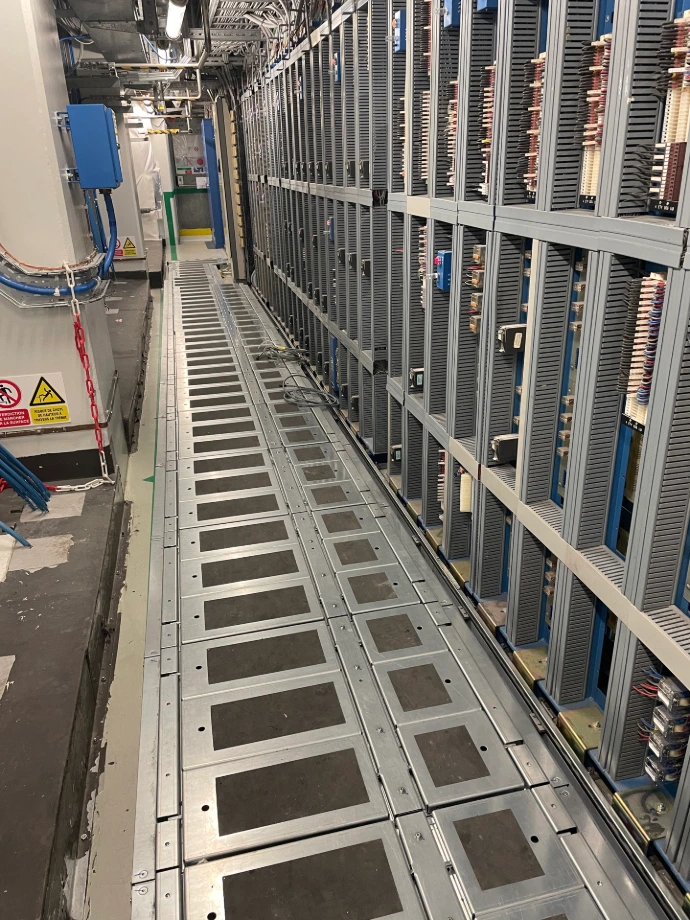
I&C
Modelling of controls and their interactions with the system physics, to analyse transients before implementation.
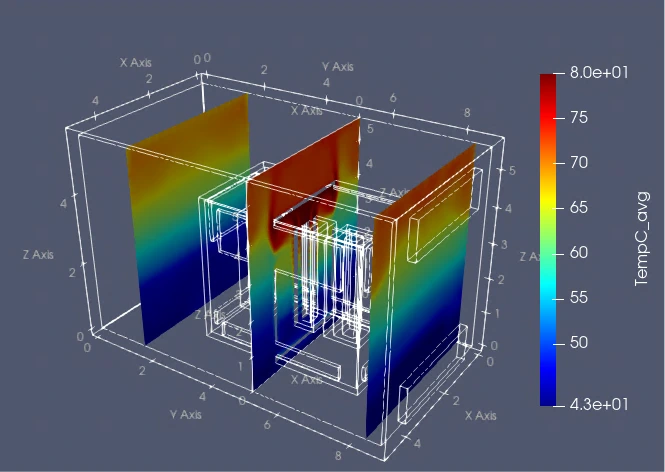
Fume hoods and hoods
Thermo-aerodynamic studies: capture efficiency, dead zones, thermal with radiation and natural convection.
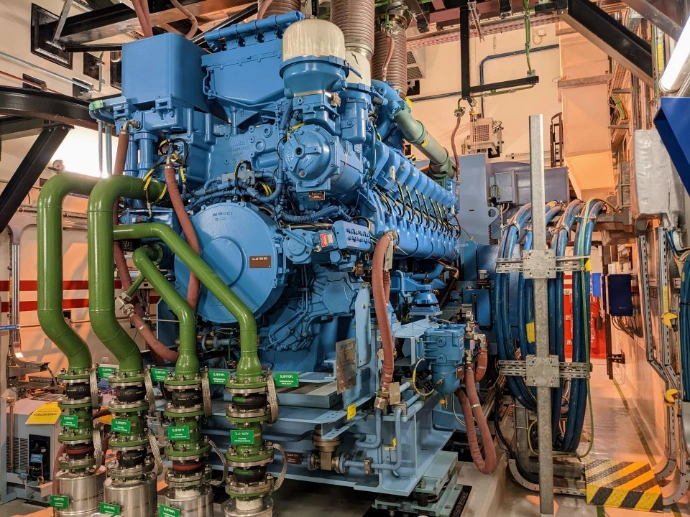
Backup diesel generator
Thermal, mechanical and energy analysis at startup and load recovery, including under constraining ambient conditions.
Performance, operational safety and environment
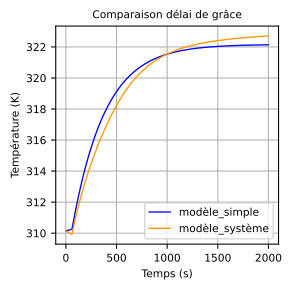
Energy optimisation
Reduction of electrical consumption of thermal and fluid systems, including within a CSR framework.
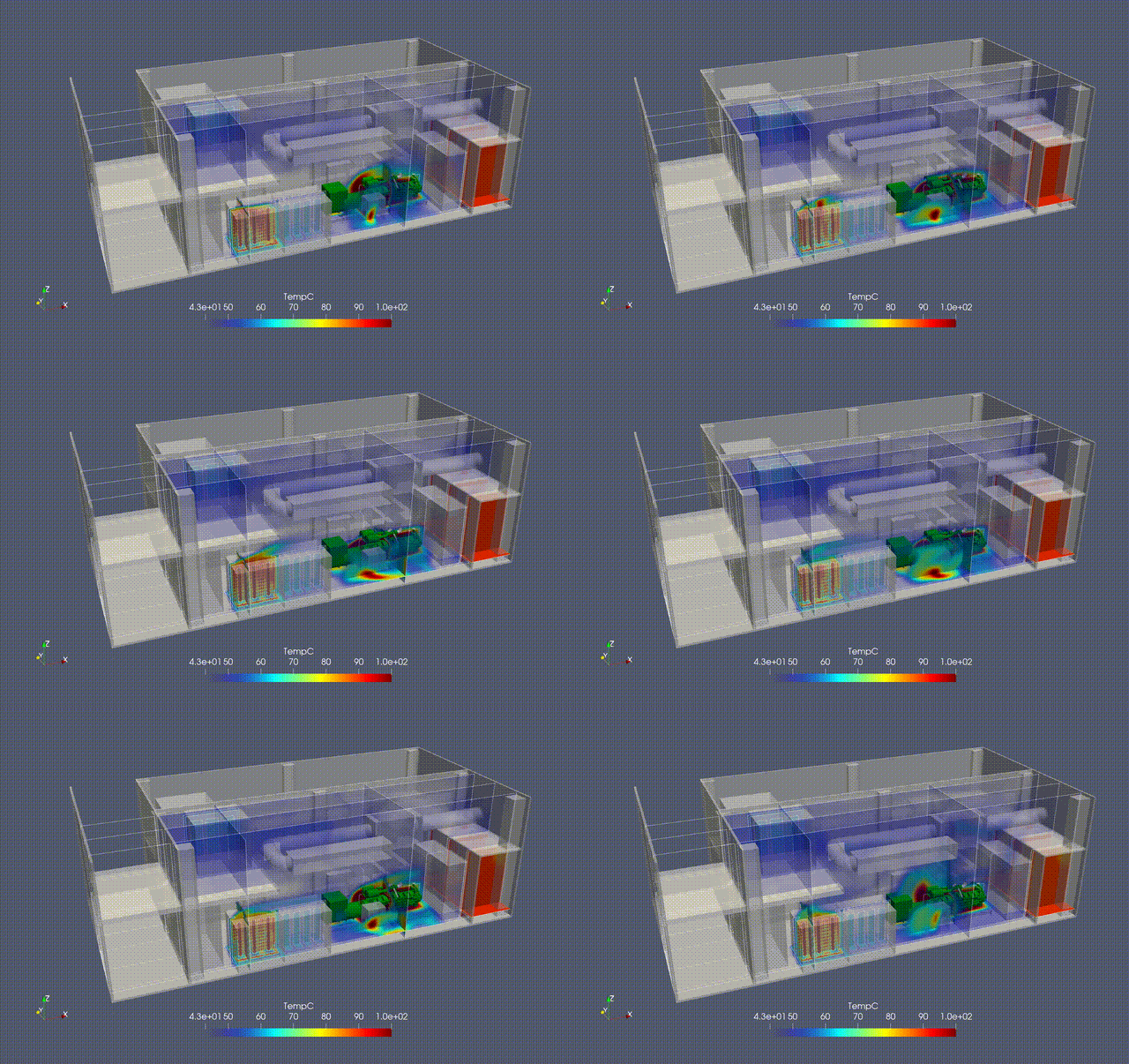
Ventilation efficiency
Characterisation of dead zones and air renewal for explosive, toxic or contaminant gases. System approach and local CFD.
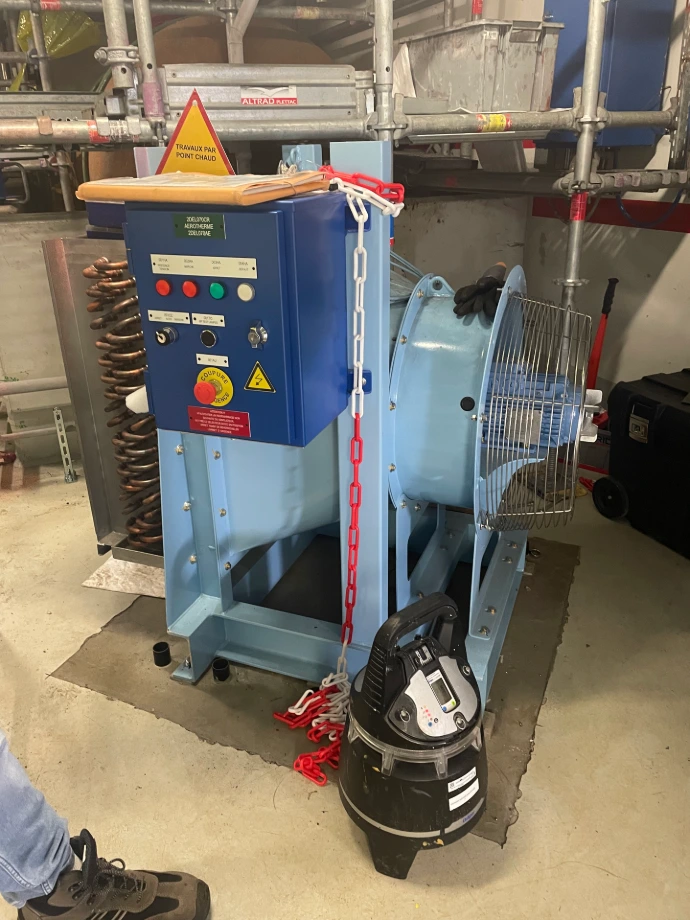
Fault detection
Coupling a process model with sensor feedback to identify the source of a deviation or failure.
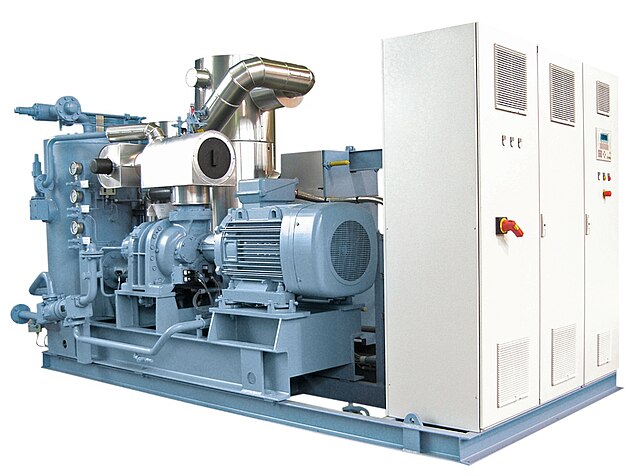
Atmospheric studies
Dispersion of pollutants, heat plume and environmental impact around the site.
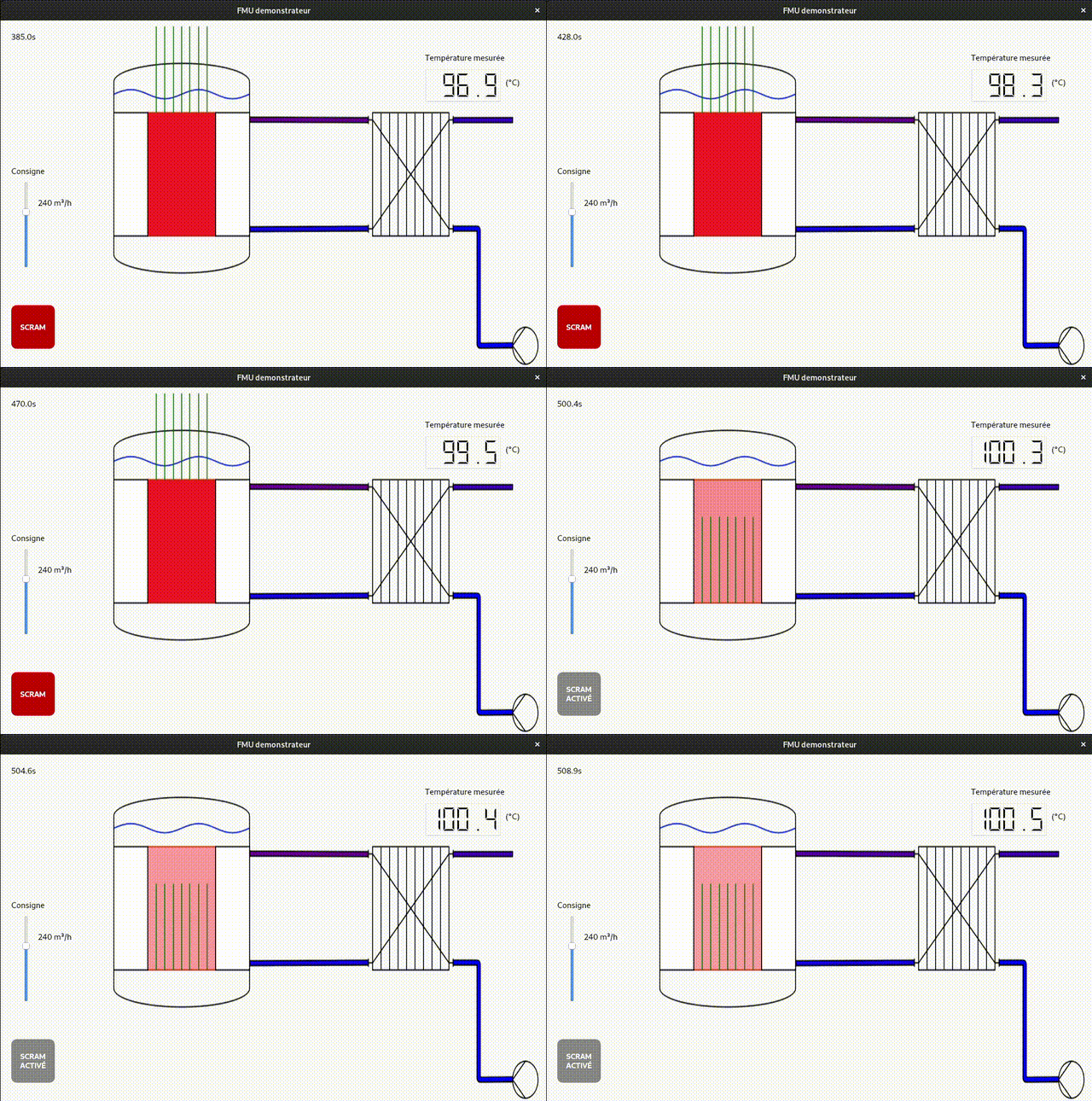
Study simulators
Development of models and tools tailored to the need: process representation, integration of models and control-command interfaces.
Mechanics
Mechanical validation
Calculation of forces and displacements to verify the mechanical behaviour of equipment and structures. Analysis of load cases and operating conditions to validate sizing and identify available margins.
Vibrational analysis
Analysis of natural modes and vibrational characteristics of structures based on beam and shell models. Identification of natural frequencies and deformation modes to assess resonance risks and guide sizing or design developments.