Datacentre - thermal and airflow studies
Sizing and optimisation of cooling and ventilation systems for datacentres.
SIL3X supports data centre stakeholders in the design, sizing, and optimisation of their thermal, fluid, and air systems. We intervene to assess the performance of cooling infrastructures, from the design phases to operation. Our models allow for the comparison of expected performance with measured performance on site, identifying improvement levers and quantifying the energy impact of design, regulation, or climatic condition changes. We can thus calculate and optimise the PUE and WUE indicators to reduce energy and water consumption while ensuring the operating conditions of the equipment.
Design and sizing
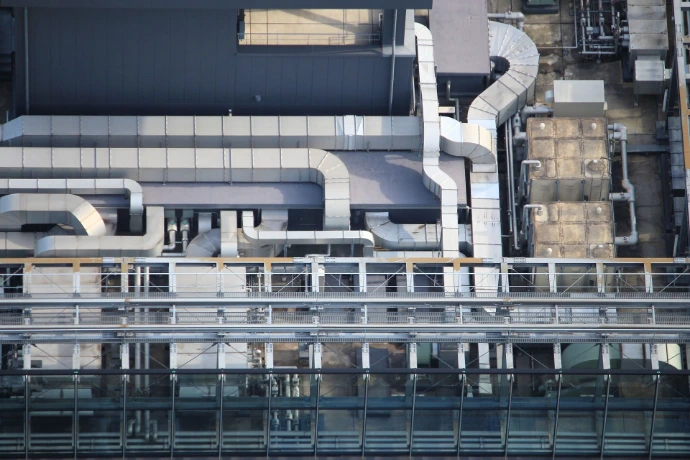
Ventilation and airflow
Sizing and verification of ventilation systems: flow rates, pressure losses, temperatures, mixing, dead zones. System approach and local CFD when 0D is not sufficient.
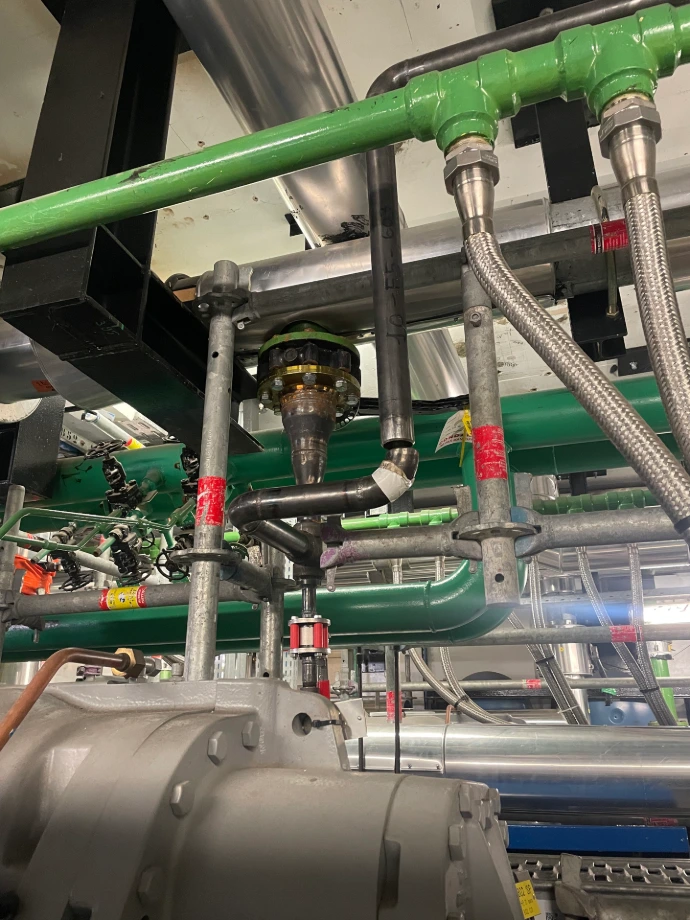
Cooling and chillers
Sizing of circuits and equipment to assess cooling capacities, margins and sensitivity to ambient conditions or design changes.
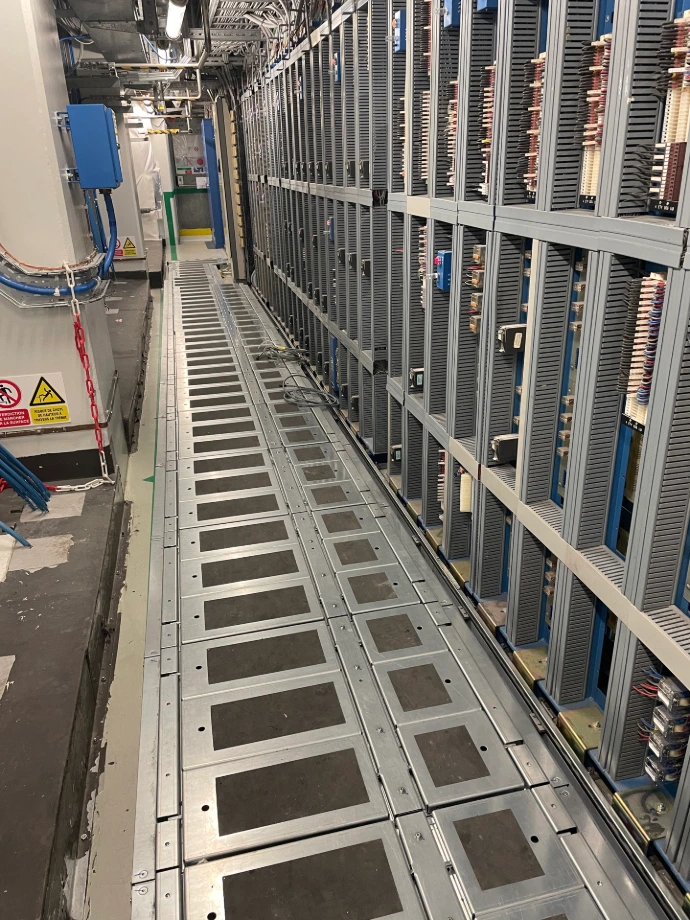
I&C
Modelling of controls and their interactions with the system physics, to analyse transients before implementation.
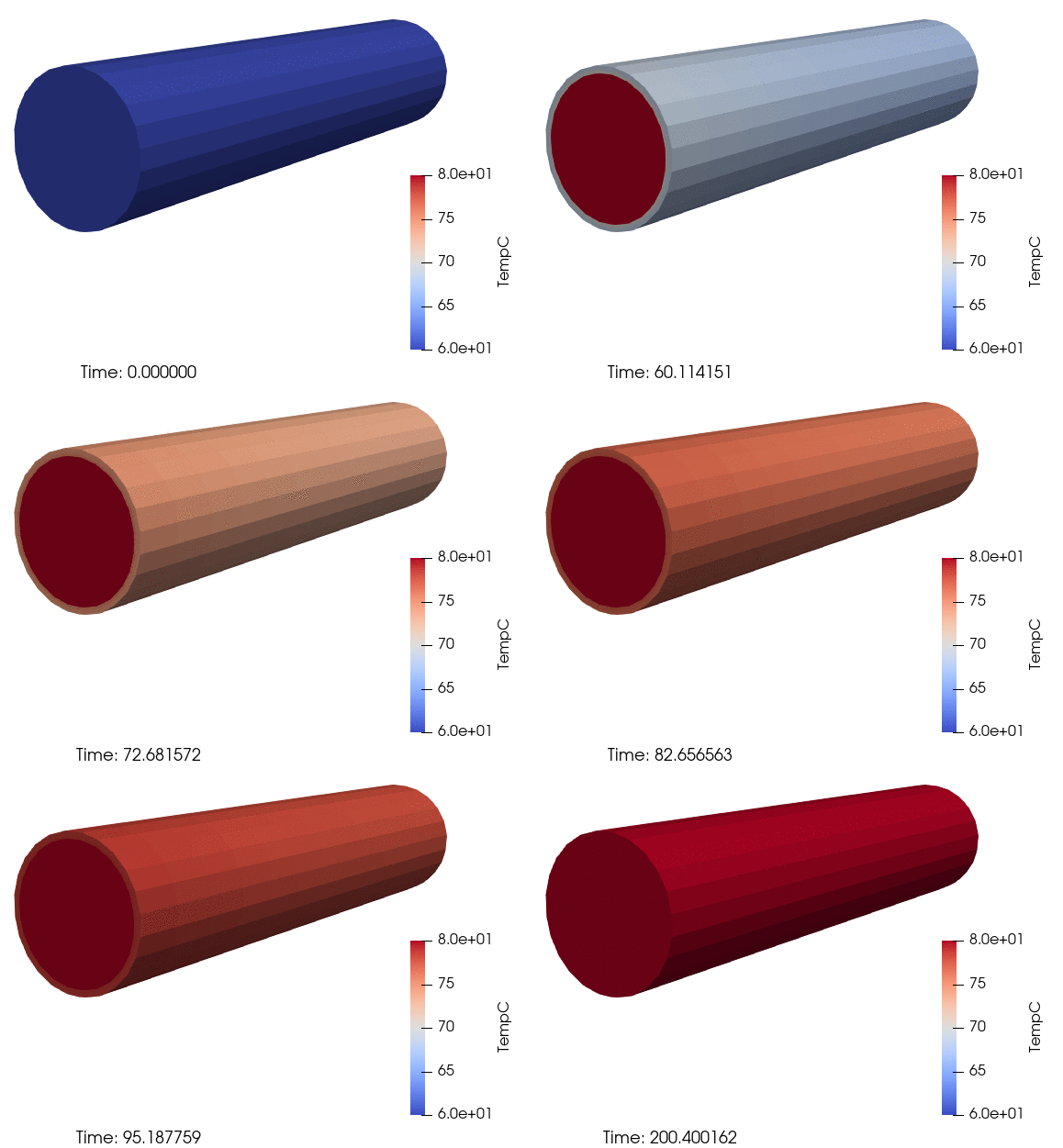
Hydraulic networks
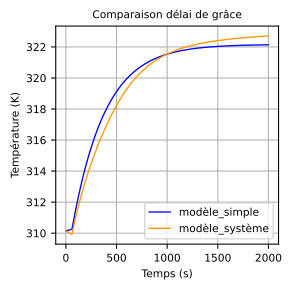
Assessment of grace periods, temperature front tracking, pressure losses or balancing.
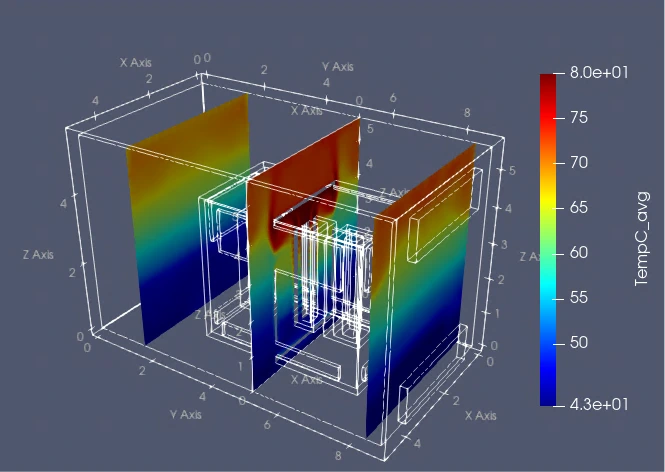
Atmospheric CFD study
Modelling of hot air recirculation phenomena on cooling towers, heat plumes and their impact on the surrounding environment.
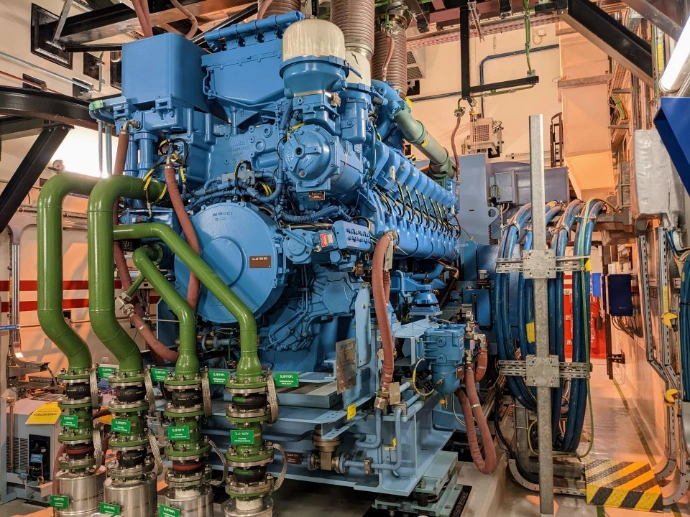
Backup diesel generator
Thermal, mechanical and energy analysis at startup and load recovery, including under constraining ambient conditions.
Performance and operation
Energy optimisation (PUE / WUE)
Assessment of PUE/WUE gains (Power Usage Effectiveness and Water Usage Effectiveness) during a change in architecture, regulation, new climatic constraints, or cold sources.
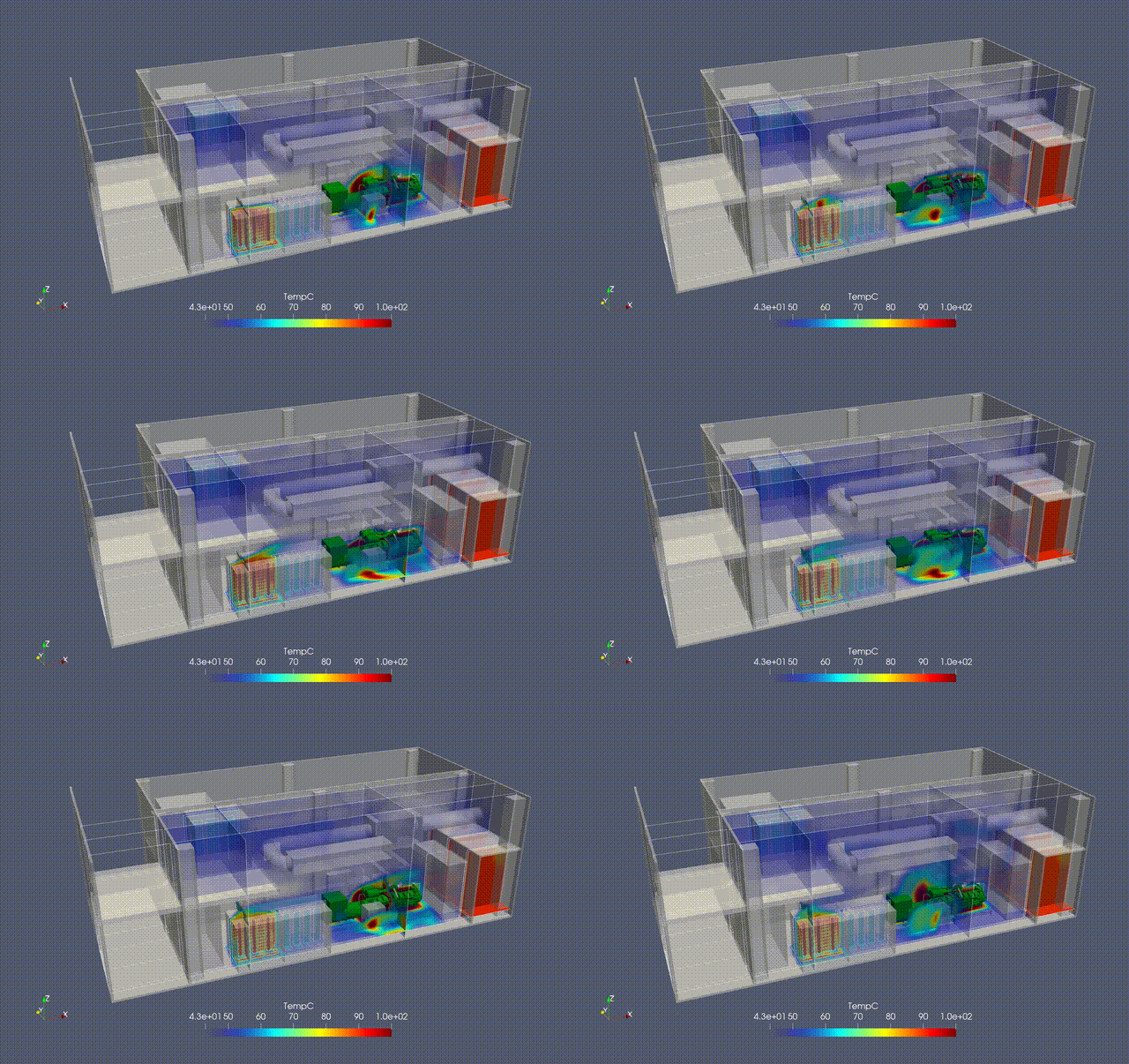
Thermo-hydraulic CFD simulation
3D analysis of local phenomena (heterogeneities, mixing, interactions) when the global approach is no longer representative.
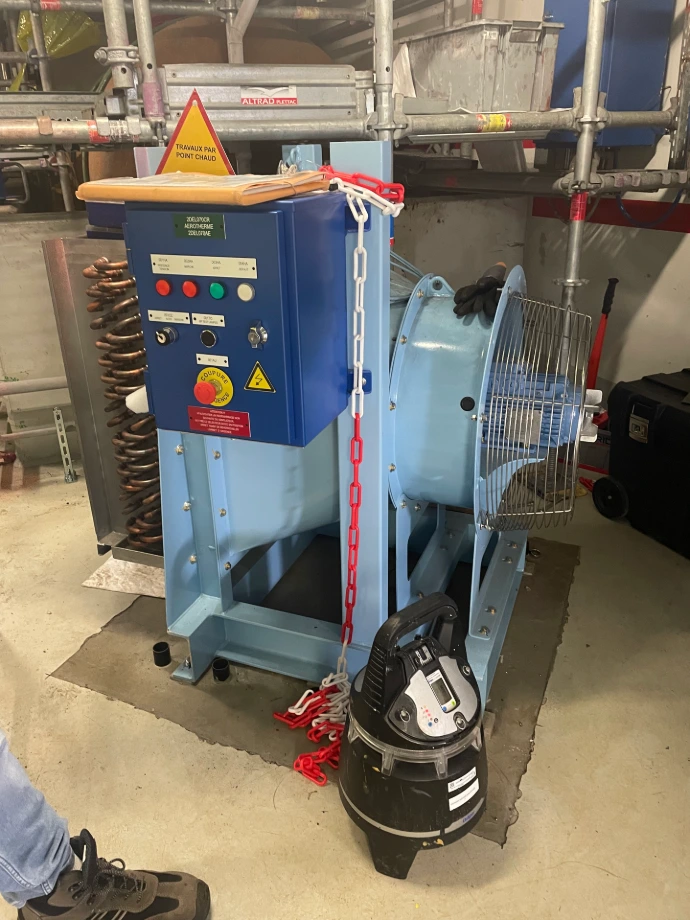
Transposition / verification of on-site performance
Interpretation and extrapolation of test or operational results to other operating conditions, with control of uncertainties.
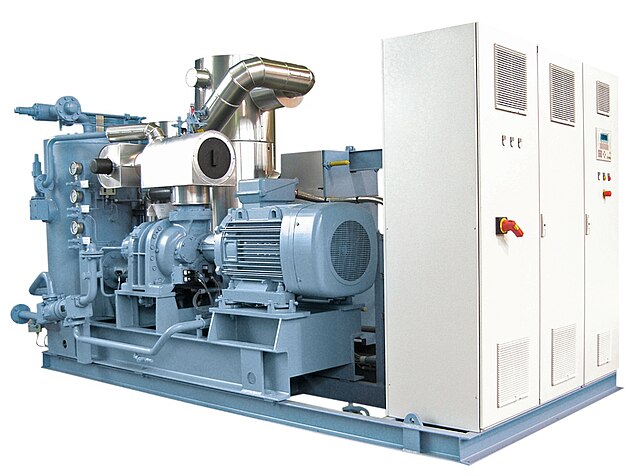
Refrigerant fluid retrofit
Performance evaluation after refrigerant change (regulatory developments): comparison of measurements / expected, and analysis of retrofit or replacement options.
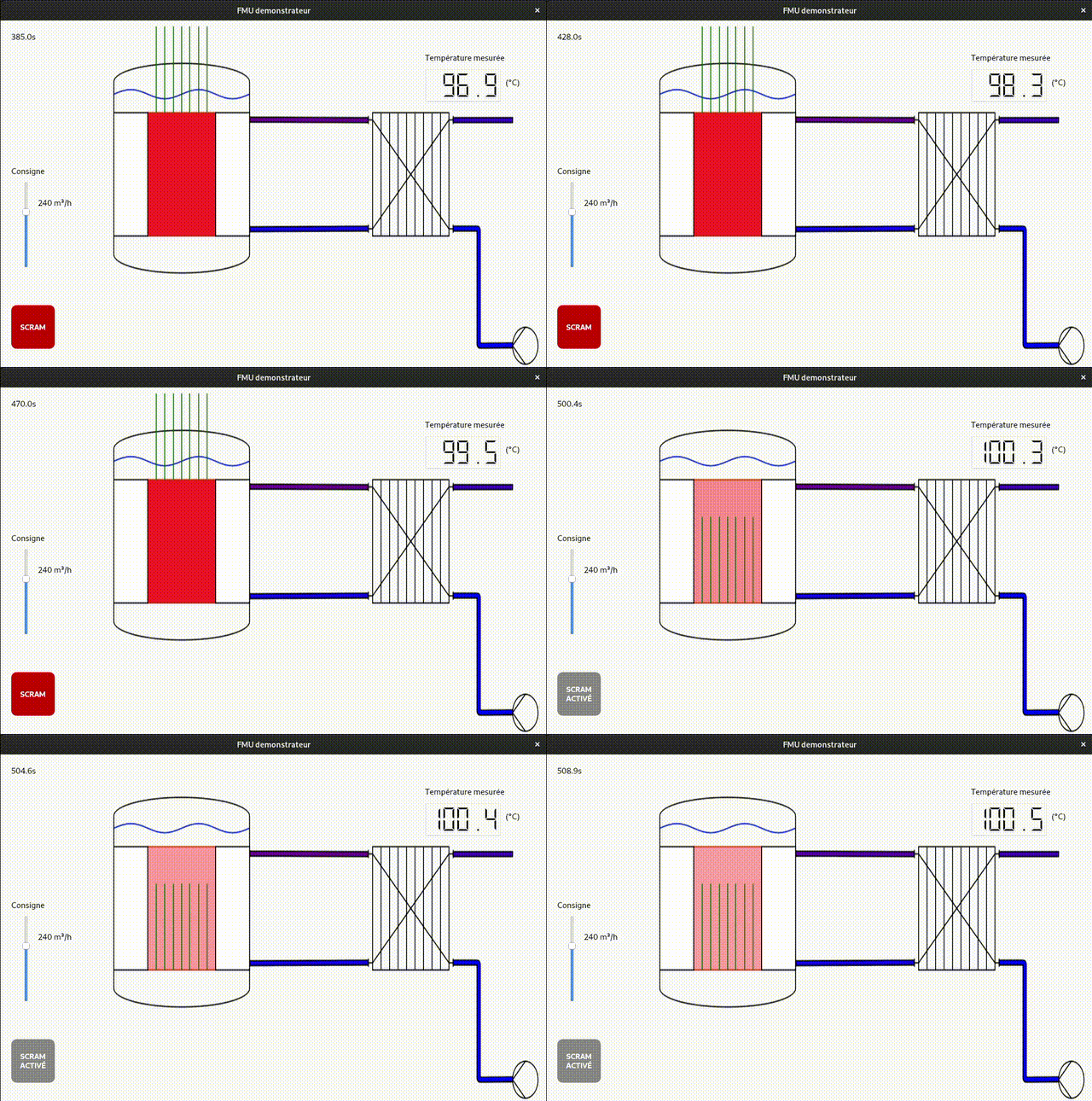
Study simulators
Study simulators adapted to the need: representation of physical systems, integration of models and control-command interfaces.