Nuclear - thermal studies, ventilation and safety
Thermal, fluid and multiphysics studies for the design, justification and operation of nuclear facilities.
SIL3X supports nuclear stakeholders in the design, sizing and optimisation of their thermal, ventilation and fluid systems. We also carry out the necessary studies for their justification, particularly within the framework of safety approaches.
From design to operation, we develop models and tools that allow for the sizing of systems, quantifying their margins and comparing their performance to the expected operating conditions.
Design and sizing
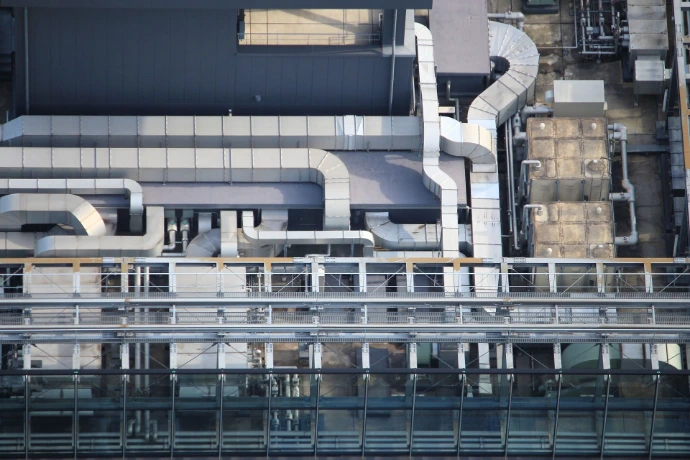
HVAC systems
Sizing and verification of ventilation systems: flow rates, pressure losses, temperatures, mixing, dead zones. System approach and local CFD when 0D is not sufficient.
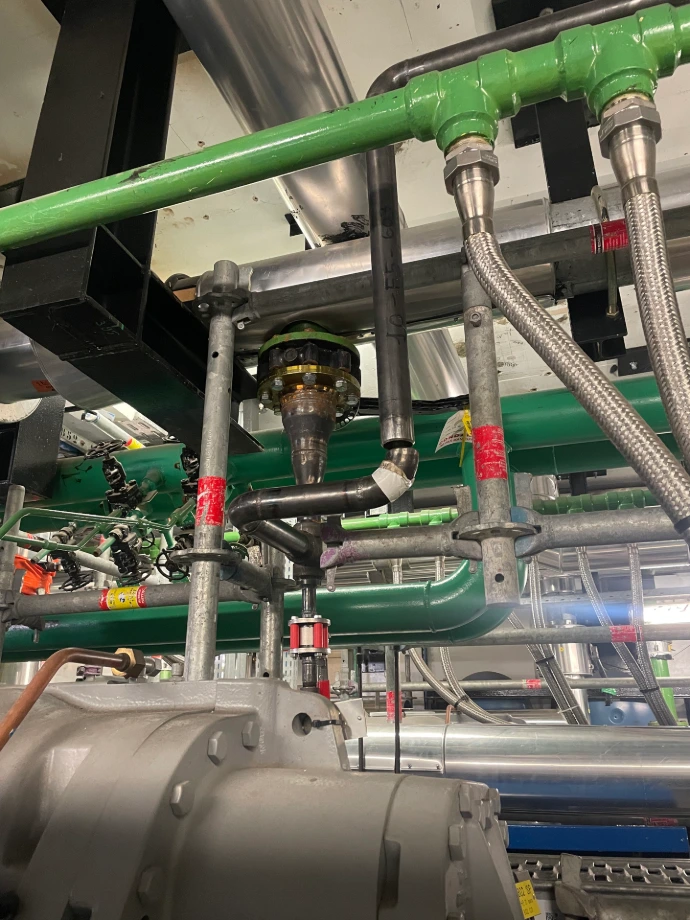
Cooling systems
Sizing of circuits and equipment to assess cooling capacities, margins and sensitivity to ambient conditions or design changes.
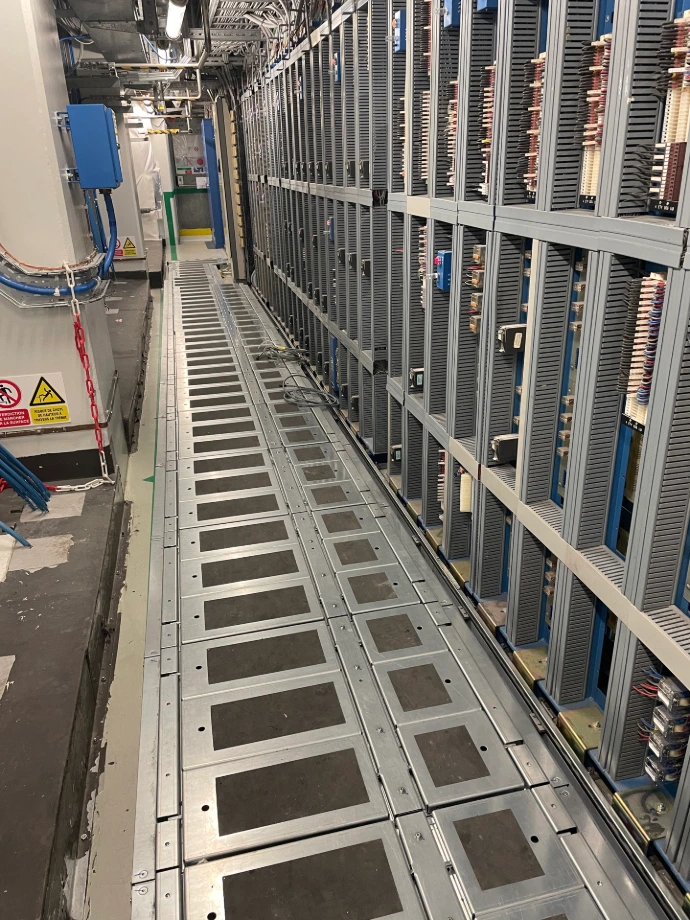
I&C
Modelling of controls and their interactions with the system physics, to analyse transients before implementation.
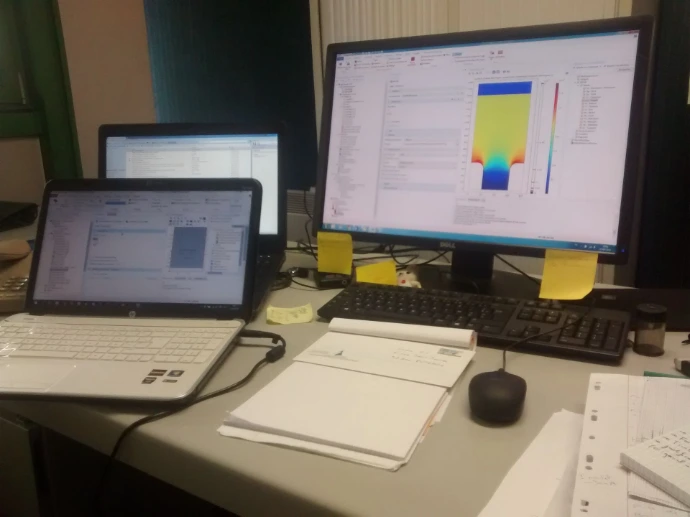
Design verification and validation
Confrontation of simulated behaviour with functional and performance requirements: identification of limiting situations and available margins.
SMR Reactors and New Pathways
SMR projects are progressing with still changing input data and no operational feedback: the justification therefore relies more on modelling. We intervene from the APS and APD stages on water reactors, sodium or lead coolant — system models to compare architectures, transient loss of function, neutron/thermal/control coupling, and sensitivity studies as long as the assumptions are not fixed.
Safety studies
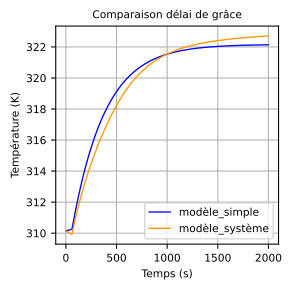
Transient and accident analyses
Simulation of the dynamics of systems in loss of function or accidental situation to characterise physical quantities and verify margins with respect to safety requirements.
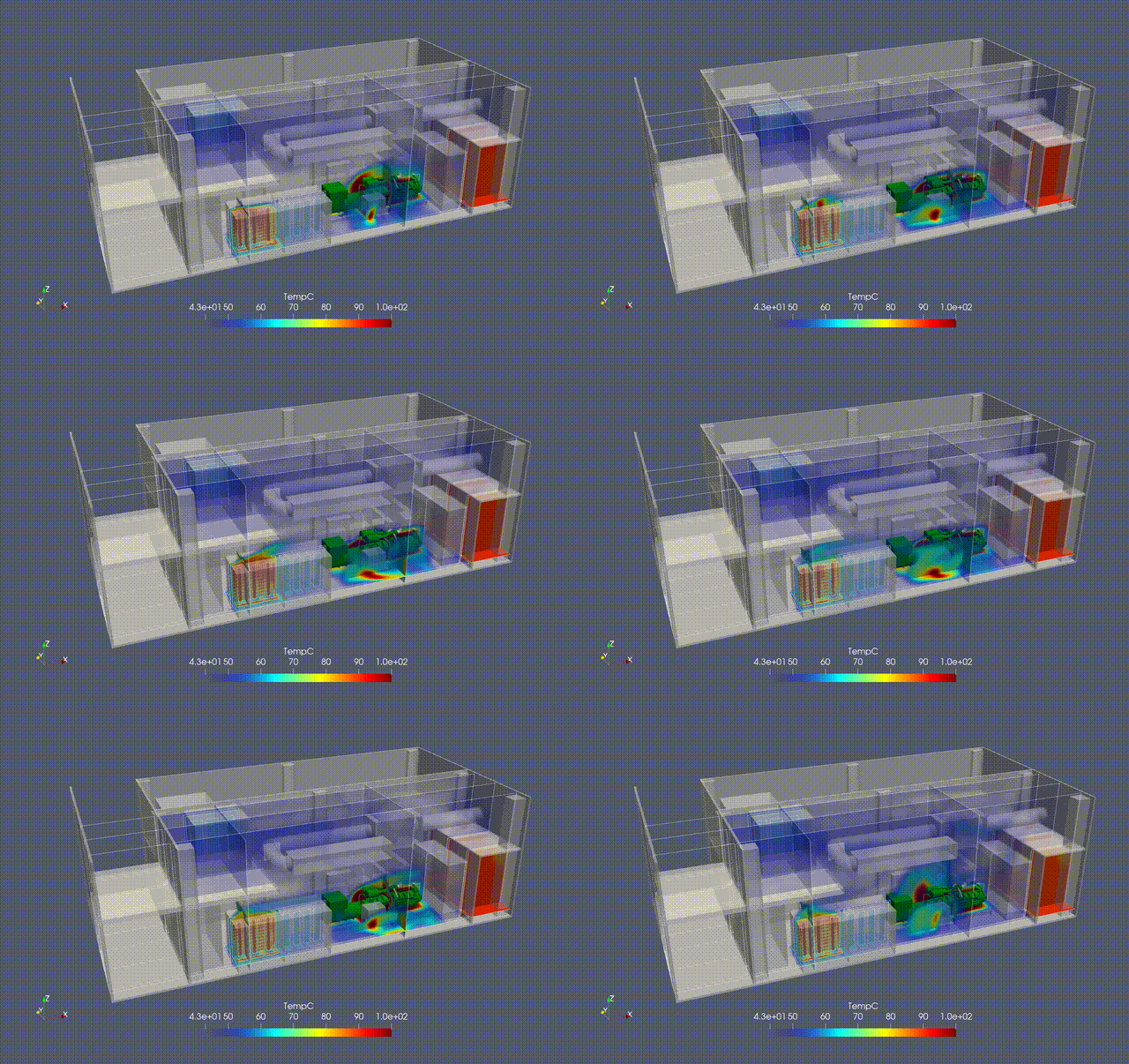
Thermo-hydraulic CFD simulation
3D analysis of local phenomena (heterogeneities, mixing, interactions) when the global approach is no longer representative.
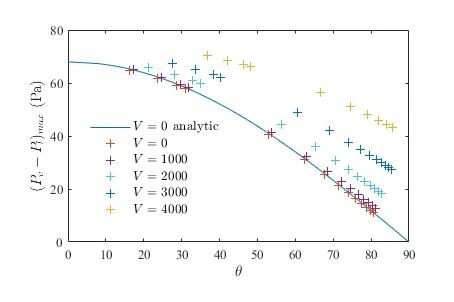
Software and model qualification
Verification, validation and qualification of nuclear engineering codes or models, on reference cases, experimental data or independent calculations.
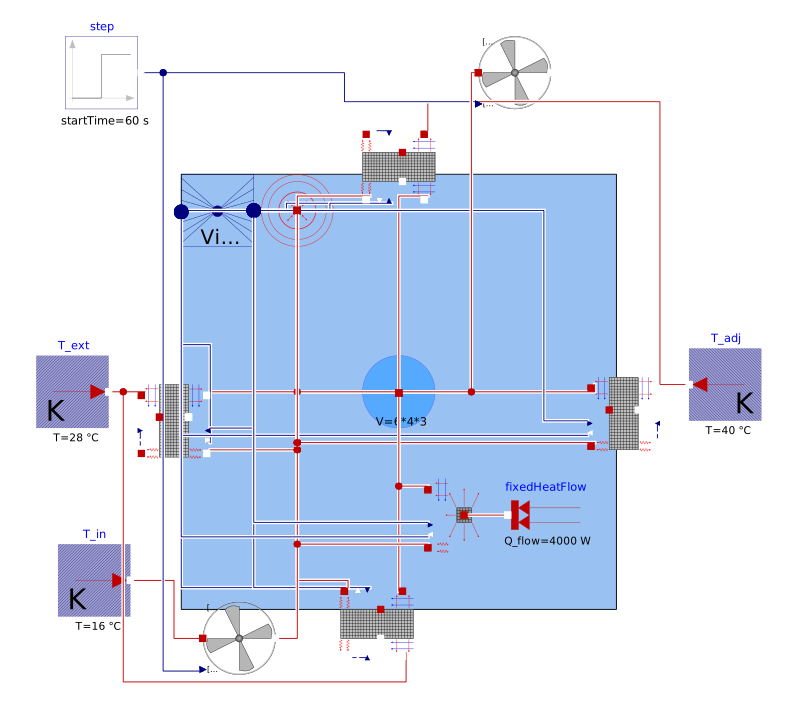
System modelling
Dynamic models to simulate transients, functional chains and thermal / hydraulic / control-command couplings.
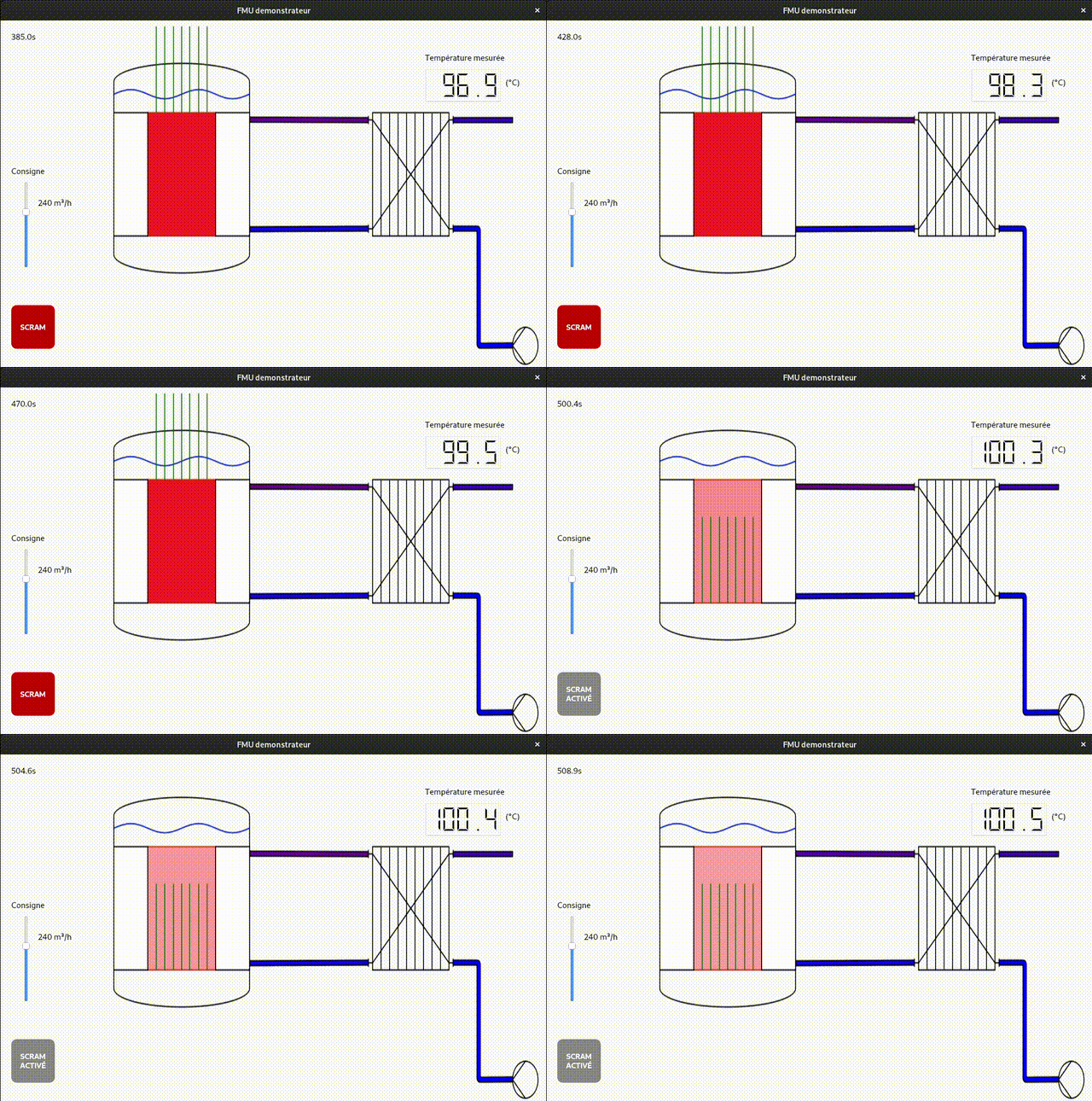
Study simulators
Study simulators adapted to the need: representation of physical systems, integration of models and control-command interfaces.
Commissioning and operation
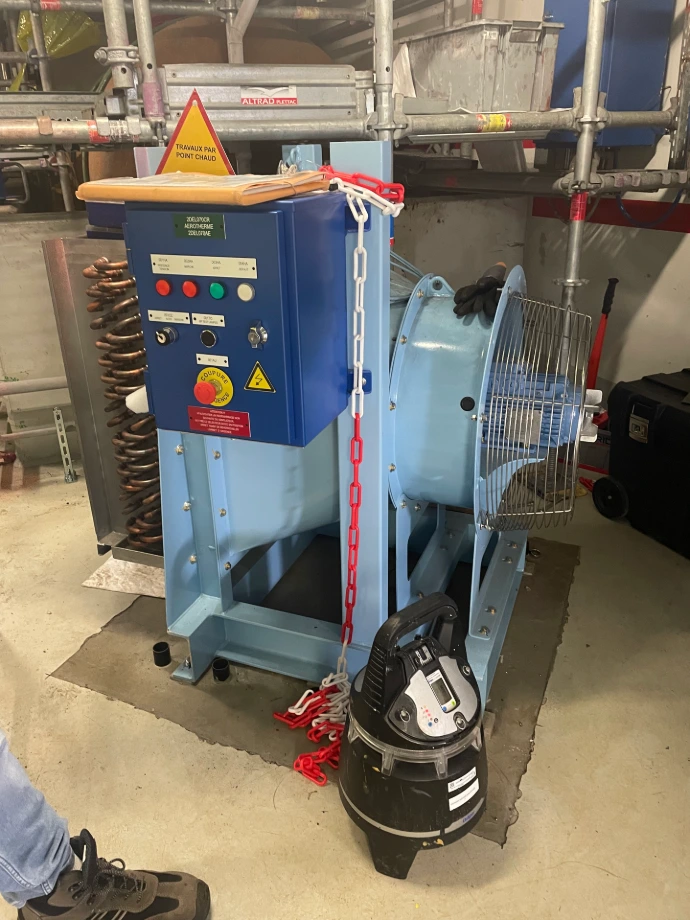
Data transposition methods
Interpretation and extrapolation of test or operational results to other operating conditions, with control of uncertainties.
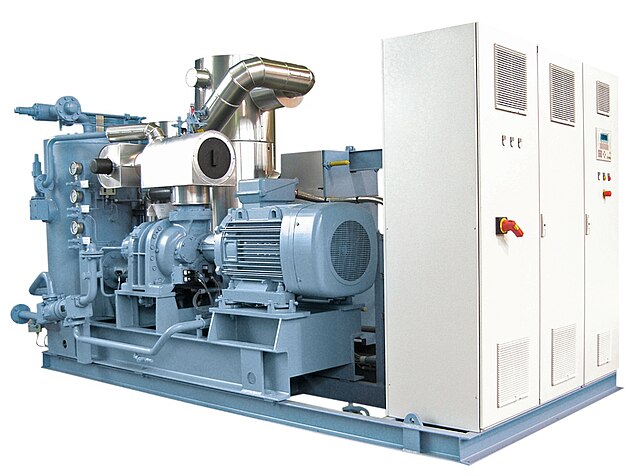
Chiller retrofit — refrigerant change
Performance evaluation after refrigerant change (regulatory developments): comparison of measurements / expected, and analysis of retrofit or replacement options.
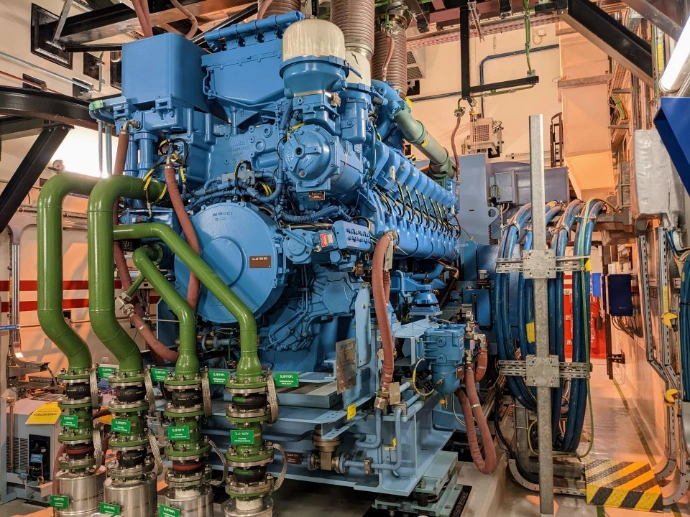
Emergency diesel generators
Thermal, mechanical and energy analysis at startup and load recovery, including under constraining ambient conditions.
Our approach
We intervene even before the drafting of the specifications to simplify a complex problem into several simpler issues to frame. We take ownership of the operation of the system to be sized as well as that of the interfacing systems, and we challenge the input data and requirements. The objective is not simply to provide a result, but to propose a solution that will not lead to undesirable consequences for the rest of the project.
If the subject is urgent, we first produce a model capable of providing orders of magnitude, then we refine it. For iterations, automation scripts allow us to quickly resume a study when the input data or interfaces evolve. When margins or couplings justify it, we detail the model to take into account coupled phenomena and non-dominant effects.
The right level of detail is the one that allows you to justify a choice, not the most detailed possible.
Nous proposons une modélisation fine et adaptée des phénomènes thermiques afin de quantifier physiquement les marges restantes.
We quantify physical phenomena in order to objectify the available margins and identify the parameters that are truly dimensioning for your system.
The objective is to go beyond simplifying assumptions when they can have a significant impact on sizing. Our models thus allow us to quantify the margins, assess their sensitivity to different parameters, and support design choices based on physical results.
Nuclear projects are long and complex, and the input data as well as the data at the interfaces can evolve during the different sizing phases.
We conduct sensitivity studies to identify the most influential parameters and determine those that can have the greatest impact on meeting your requirements.
When certain input data are not yet sufficiently mature, this approach also allows for the exploration of plausible parameter ranges and assessment of their impact on system performance, in order to consolidate and validate design choices.
We know that deadlines and costs are major issues in nuclear projects. Our studies allow us to propose quantified and costed actions in order to provide concrete answers to the problems encountered.
For example, should we replace equipment or modify certain control-command parameters to meet safety criteria? We assess the available margins for each of the solutions and propose the one that we consider to be the most technically relevant, while taking into account the associated costs and deadlines.